Living in Baja California, Mexico as an expat: Rosarito and Ensenada to La Paz and Los Cabos
Compare the border towns you can drive home from with the desert beaches of the south, and see which part of Baja fits your budget and plans.
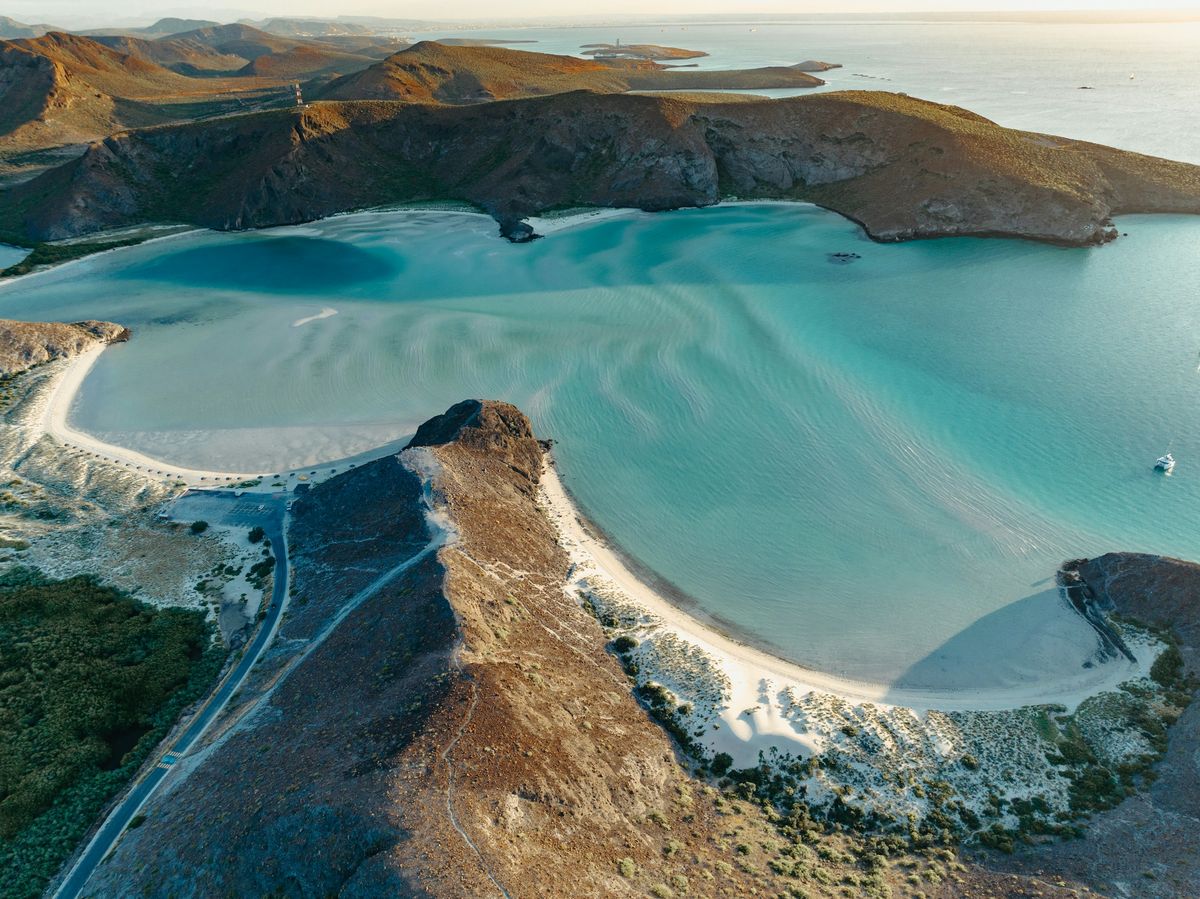
Living in Baja California, Mexico offers ocean views, dry sunny weather and, in the north, the rare chance to live in Mexico and still drive to your doctor, family and stores in California. The northern towns suit people who want lower housing costs within reach of the border, and the south suits people who want desert-and-sea beauty and can afford to fly home. Most expats in Baja California live in one of two clusters: Rosarito and Ensenada near the border, or La Paz, Todos Santos and Los Cabos at the southern tip.
Cost figures on this page are estimates in US dollars for early planning. Check current listings and ask residents before you rely on them.
Baja California at a glance
The peninsula is about 775 miles (1,250 km) long and is divided into two states: Baja California in the north and Baja California Sur in the south. They are very different places to live.
| North: Rosarito, Ensenada | South: La Paz, Los Cabos | |
|---|---|---|
| Climate | Mild and dry, like San Diego; cool, damp winters and foggy early summers; cold ocean | Desert: warm winters, summers of 90 to 100°F (32 to 38°C), humid in August and September, with a hurricane risk |
| Elevation | Sea level | Sea level |
| Nearest international airport | Tijuana (TIJ) or San Diego | Los Cabos (SJD), with many direct US flights; La Paz and Loreto have smaller airports |
| Hospital access | Large private hospitals in Tijuana; US hospitals across the border | Private hospitals in Los Cabos and La Paz |
| Typical rent, one or two bedrooms | About $700 to $1,800 | About $800 to $1,600 in La Paz; $1,300 to $2,800 in Los Cabos |
| Foreign community | Large and mostly from California; many part-time | Large in Los Cabos; smaller and quieter in La Paz, Todos Santos and Loreto |
| Spanish | Little needed | Little needed in Los Cabos; more in La Paz |
Who it suits, and who it doesn’t
The north suits Californians priced out of the coast at home, people who keep US health insurance or a US job, and anyone who wants to be at a family event the same day. The price is the border itself: waits to cross north can run to hours.
The south suits boaters, anglers, divers and people who love desert. La Paz is a working Mexican city on a calm bay. Los Cabos is a resort area with prices to match.
Baja is a poor fit if you want colonial architecture, lush green landscape or the lowest costs in Mexico. Look at Lake Chapala or Mérida for those.
Where expats in Baja California live
| Place | Typical rent | What it is like |
|---|---|---|
| Rosarito | $800 to $1,800 | Oceanfront condos and gated communities about 20 miles (30 km) south of the San Diego border; the largest concentration of Americans in the north |
| Ensenada | $700 to $1,500 | A port city about 70 miles (110 km) south of the border, with a university, a wine region inland and a more Mexican feel |
| San Felipe | $600 to $1,200 | A small town on the Gulf of California, about two and a half hours south of the border at Mexicali; inexpensive, very hot in summer |
| Loreto | $800 to $1,600 | A small, quiet town on the Gulf, far from everything; limited flights and healthcare |
| La Paz | $800 to $1,600 | The capital of Baja California Sur: a seafront promenade, calm water and a city that doesn’t depend on tourism |
| Todos Santos and El Pescadero | $1,200 to $2,500 | Small Pacific-side towns about an hour from La Paz and from Cabo San Lucas; artists, surfers and high prices for the size |
| San José del Cabo and Cabo San Lucas | $1,300 to $2,800 | Together, Los Cabos. San José is the quieter, older town; Cabo San Lucas is the resort and marina |
Rents are for a one- or two-bedroom home on a one-year lease. Oceanfront homes cost much more.
Is Baja California expensive?
By Mexican standards, yes. Living in Baja costs more than most of mainland Mexico, and Los Cabos is among the most expensive places in the country. As an estimate, a couple spends about $2,200 to $3,500 a month in Rosarito, Ensenada or La Paz, and about $3,500 to $5,500 in Los Cabos.
- Los Cabos is among the most expensive places in Mexico. Nearly everything arrives by road or sea, and prices follow the tourist trade.
- The north prices in dollars. Rents, and many services, are quoted in dollars and move with California’s market.
- Water and power. Much of the peninsula is desert. Some homes rely on trucked water, and summer air conditioning in the south is a large bill.
The cost of living in Mexico compares Los Cabos with eight other places.
House prices in Baja California
Houses for sale in Baja California are usually advertised in US dollars, and prices follow the same split as rents: the north tracks the Southern California market, La Paz and Ensenada are lower, and Los Cabos and Todos Santos are the most expensive. Oceanfront and ocean-view homes cost far more than homes a few streets back. Asking prices on listing sites can sit above what homes actually sell for, so ask for recent sale prices as well as listings.
Every home on the peninsula is in Mexico’s restricted zone, so a foreign buyer holds it through a bank trust (fideicomiso), which has a setup fee and an annual fee. Buyer’s closing costs commonly total several percent of the price. Buying property in Mexico explains the trust, the costs and the title checks, and a local real estate agent can show what homes in each town have actually sold for.
Healthcare
In the north, many Americans use private doctors, dentists and hospitals in Tijuana for everyday care and keep US coverage for major treatment across the border. Medicare pays nothing in Mexico, so a retiree in Rosarito still has to get to a US hospital to use it.
In the south, Los Cabos and La Paz have private hospitals. Those in Los Cabos are known for high prices and for asking for large deposits. Complex cases are often flown to Guadalajara, Mexico City or the US, so medical evacuation coverage is worth considering. See healthcare in Mexico.
Getting there and getting around
- North. You drive. From the San Ysidro crossing, Rosarito is about 30 to 45 minutes and Ensenada about an hour and a half on the toll road. US Customs and Border Protection publishes live wait times, and its trusted traveler lanes shorten the crossing for people who qualify. Tijuana’s airport is linked to the San Diego side by a pedestrian bridge.
- South. You fly. Los Cabos has direct flights to many US cities. The drive from the border to La Paz is roughly 900 miles (1,450 km) on a two-lane highway and takes two or three days.
- Everywhere. You need a car. US-plated vehicles don’t need an import permit on the peninsula.
Safety
Tijuana has one of the highest homicide rates of any city in Mexico, almost all of it tied to organized crime, and recent US advisories have rated Baja California Level 3, “reconsider travel”. Rosarito and Ensenada are quieter than Tijuana, and have had serious incidents of their own. Residents drive the toll road, avoid traveling at night and stay out of Tijuana’s outer districts. Advisory levels are reviewed regularly, so check the State Department’s current Mexico travel advisory and its notes for the city you are considering.
Baja California Sur has been rated Level 2. La Paz and Los Cabos have been among the Mexican cities where the fewest residents say they feel unsafe, after a spike in violence in the late 2010s. Read the current advisory, and see the safest cities in Mexico to live.
The downsides
- The border wait, for anyone in the north who crosses often.
- Cost. Baja is not cheap Mexico.
- Water scarcity, across the whole peninsula.
- Hurricanes in the south. Major storms have damaged Los Cabos and La Paz.
- Isolation. Outside the border strip and Los Cabos, specialists, shops and flights are far away.
- Bank trust. Every home is in the restricted zone, so foreigners buy through a fideicomiso. Long-term land leases are also sold in the north, and they are not ownership.
How people usually start
- Drive or fly down for a few weeks and stay in two towns, not one.
- Rent for six to twelve months. A local real estate agent can explain a lease and what the owner pays for.
- Sort your status. Living here on back-to-back visitor permits is common and insecure. See which residency option your income supports.
- Take advice before buying. Buying property in Mexico explains the bank trust and the title checks.
The best places to live in Mexico compares Baja with the mainland.
Common questions
Is Baja California safe to live in?
Safety in Baja California depends on which end of the peninsula you mean. The northern state, Baja California, has been rated Level 3 in recent US travel advisories, largely because of violence in Tijuana. The southern state, Baja California Sur, which includes La Paz and Los Cabos, has been rated Level 2. Check the current advisory.
Is Baja California expensive to live in?
By Mexican standards, yes. As an estimate, a couple living in Rosarito, Ensenada or La Paz spends about $2,200 to $3,500 a month including rent, while a couple in Los Cabos spends about $3,500 to $5,500. Baja California costs more than most of mainland Mexico because so many goods and prices track the US.
Where do expats in Baja California live?
Most expats in Baja California live in Rosarito and Ensenada in the north, within a drive of San Diego, or in La Paz, Todos Santos and Los Cabos in the south. Smaller groups live in San Felipe and Loreto on the Gulf of California. Many in the north are Californians who live in Baja part of the year.
Can Americans live in Baja California?
Yes. Americans can live in Baja California as visitors for up to 180 days at a time, at the immigration officer's discretion, or year-round with a temporary or permanent resident card. Americans can also own homes in Baja California, held through a bank trust because the whole peninsula is in Mexico's restricted zone.
Can I keep my US car in Baja California?
Generally yes. The Baja California peninsula is a free zone for foreign vehicles, so a US-plated car does not need the temporary import permit required on the mainland. You do need Mexican auto insurance, and the car's US registration should be kept current.
Sources
This page is general information, not professional advice. Rules and amounts change, and officials apply them differently. Confirm the details with the relevant authority or a qualified professional before you act on them.