Best places to live in Mexico for Americans
Eight cities and regions compared on climate, cost, healthcare, safety and community, with the best fit for each kind of move.
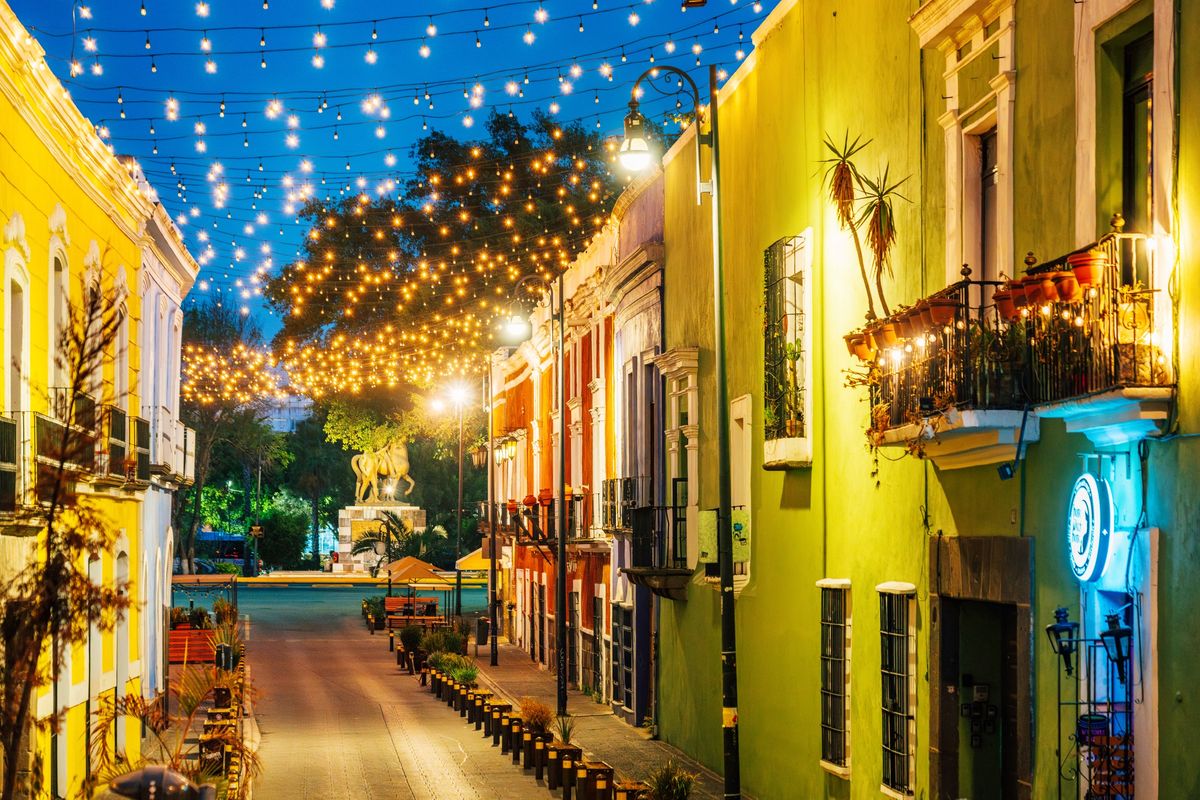
The best places to live in Mexico for most Americans are Lake Chapala and Ajijic, San Miguel de Allende, Mérida, Puerto Vallarta and Mexico City, with Playa del Carmen and Baja California close behind. Which one is best for you depends on climate, budget, healthcare needs and how much of your life you want to run in English, so the useful step is to narrow the list to two or three and visit them.
The places at a glance
| Place | Climate | Best for | English-speaking community | Watch for |
|---|---|---|---|---|
| Lake Chapala and Ajijic | Mild all year, about 5,000 ft | Retirees | Very large | Small-town life, mostly retired |
| San Miguel de Allende | Mild days, cool nights, 6,200 ft | Retirees, artists | Very large | High housing costs, hospital an hour away |
| Mérida | Hot, very hot April to September | Value and safety | Large and growing | The heat |
| Puerto Vallarta | Hot and humid summers | Beach, flights to the US | Large | Summer heat and rain |
| Mexico City | Mild, 7,300 ft | City life, remote workers | Large | Altitude, traffic, air quality |
| Guadalajara | Mild | Big-city services at lower cost | Smaller; more Spanish needed | Traffic, Spanish |
| Playa del Carmen | Hot, hurricane season | Remote workers, younger arrivals | Large, transient | Resort prices, seaweed |
| Baja California | Dry; varies north to south | Driving distance to California | Large | Los Cabos prices; safety in the north |
The best place for each kind of move
- Retiring on a pension or Social Security: Lake Chapala and Ajijic first, then San Miguel de Allende, Mérida and Puerto Vallarta. See retiring in Mexico.
- Working remotely: Mexico City, Guadalajara and Playa del Carmen, for internet, coworking and flights. See working in Mexico as an American.
- On a tighter budget: Mérida and Guadalajara cost less than the beach resorts and San Miguel de Allende.
- Safety above all: Mérida and the rest of Yucatán. See the safest places to live in Mexico for expats.
- Staying close to the US by car: northern Baja California.
- The beach: Puerto Vallarta on the Pacific, Playa del Carmen on the Caribbean, or La Paz in Baja.
How to compare places
- Climate. The central highlands are mild all year. The coasts are hot and humid for half the year. Altitude affects some people’s health.
- Healthcare. Major private hospitals are in the big cities. Smaller towns may be one to three hours from one.
- Cost. Housing drives the difference. Towns popular with foreigners cost more than similar Mexican towns without them. See the cost of living in Mexico.
- Community. Some towns have thousands of English speakers; in others you will need Spanish every day.
- Getting back. Check for direct flights to where your family lives.
The places
Lake Chapala and Ajijic
Mexico’s longest-established retiree community, on a lake about an hour from Guadalajara. Spring-like weather year-round at about 5,000 feet, many English-language clubs and services, and Guadalajara’s hospitals and airport nearby. It is a small-town life, and most of the foreign community is retired. See living in Lake Chapala and Ajijic.
San Miguel de Allende
A colonial town in the central highlands with a large foreign community, an active arts scene and a walkable historic center. Cooler evenings at 6,200 feet, cobbled hills that are hard on knees, and housing costs well above the Mexican average. The nearest large hospitals and airports are about an hour away in Querétaro and León. See living in San Miguel de Allende.
Mexico City
One of the largest cities in the world, with the country’s best hospitals, restaurants, museums and flight connections. Mild weather at 7,300 feet. It suits people who want city life and can manage altitude, traffic and air quality. Housing in the neighborhoods popular with foreigners is among the most expensive in Mexico. See living in Mexico City.
Guadalajara
Mexico’s second city: big-city healthcare and services at lower cost than the capital, a mild climate, and a large university and tech sector. You will need more Spanish here than in the expat towns. Guadalajara is covered with Lake Chapala, an hour to its south.
Puerto Vallarta and the Pacific coast
A beach city with good private hospitals, a large foreign community and direct flights to many US and Canadian cities. Summers are hot, humid and wet. The towns to the north in Nayarit are smaller and growing fast. See living in Puerto Vallarta.
Mérida and the Yucatán
A calm colonial city about half an hour from the Gulf coast, with good healthcare, lower housing costs than the beach resorts and a reputation for safety. It is hot for most of the year and very hot from April to September. See living in Mérida.
Playa del Carmen and the Riviera Maya
Caribbean beach towns popular with remote workers and younger arrivals, served by Cancún’s airport. More transient than the retiree towns, with resort-area prices and a hurricane season. See living in Playa del Carmen.
Baja California
From Rosarito and Ensenada near the US border to La Paz and Los Cabos in the south. The north suits people who want to drive back to California; Los Cabos is among the most expensive places in Mexico. See living in Baja California.
Safety
Safety varies by state, city and neighborhood. The towns with large foreign communities are generally places where residents report feeling safe in daily life. The safest cities in Mexico to live groups these places by how they compare on safety, shows how their states have been rated in US travel advisories, and explains how to check a neighborhood yourself.
How to decide
- Pick two or three places that fit your climate and healthcare needs.
- Visit each for at least a few weeks, ideally in its worst season.
- Rent for six to twelve months before you buy. A local real estate agent can help with long-term rentals.
- Check which residency option your income supports before you commit.
Common questions
What is the best place to live in Mexico as an American?
For most Americans the strongest choices are Lake Chapala and Ajijic, San Miguel de Allende, Mérida, Puerto Vallarta and Mexico City. Lake Chapala and San Miguel de Allende have the largest English-speaking communities and mild highland weather. Mérida is calm and affordable but very hot in summer. Puerto Vallarta suits beach lovers, and Mexico City suits people who want a big city.
What is the best place to move to in Mexico?
The best place to move to in Mexico depends on climate, budget and how much Spanish you speak. Retirees most often choose Lake Chapala, San Miguel de Allende, Mérida or Puerto Vallarta. Remote workers favor Mexico City, Playa del Carmen and Guadalajara. Rent for six months or more before you buy, because many people move again after their first year.
What is the best place to live in Mexico for retirees?
Lake Chapala and Ajijic have the longest-established retiree community in Mexico, with mild weather and Guadalajara's hospitals about an hour away. San Miguel de Allende, Mérida and Puerto Vallarta are the other common choices. Check how far each is from a major private hospital before you decide.
Which places in Mexico have the best climate?
The central highlands have the mildest climate in Mexico, with spring-like weather most of the year. That includes Lake Chapala, San Miguel de Allende, Guadalajara and Mexico City. The coasts and Mérida are hot and humid for about half the year.
Where do most American expats live in Mexico?
The largest groups are around Lake Chapala and Ajijic, in San Miguel de Allende, Puerto Vallarta, Mexico City, the Riviera Maya, Mérida and Baja California.
Sources
This page is general information, not professional advice. Rules and amounts change, and officials apply them differently. Confirm the details with the relevant authority or a qualified professional before you act on them.