The safest cities in Mexico in 2026, ranked for people moving from the US
See which cities in Mexico are safest to live in, with the share of residents who feel unsafe in each, and how to check any neighborhood before you choose.
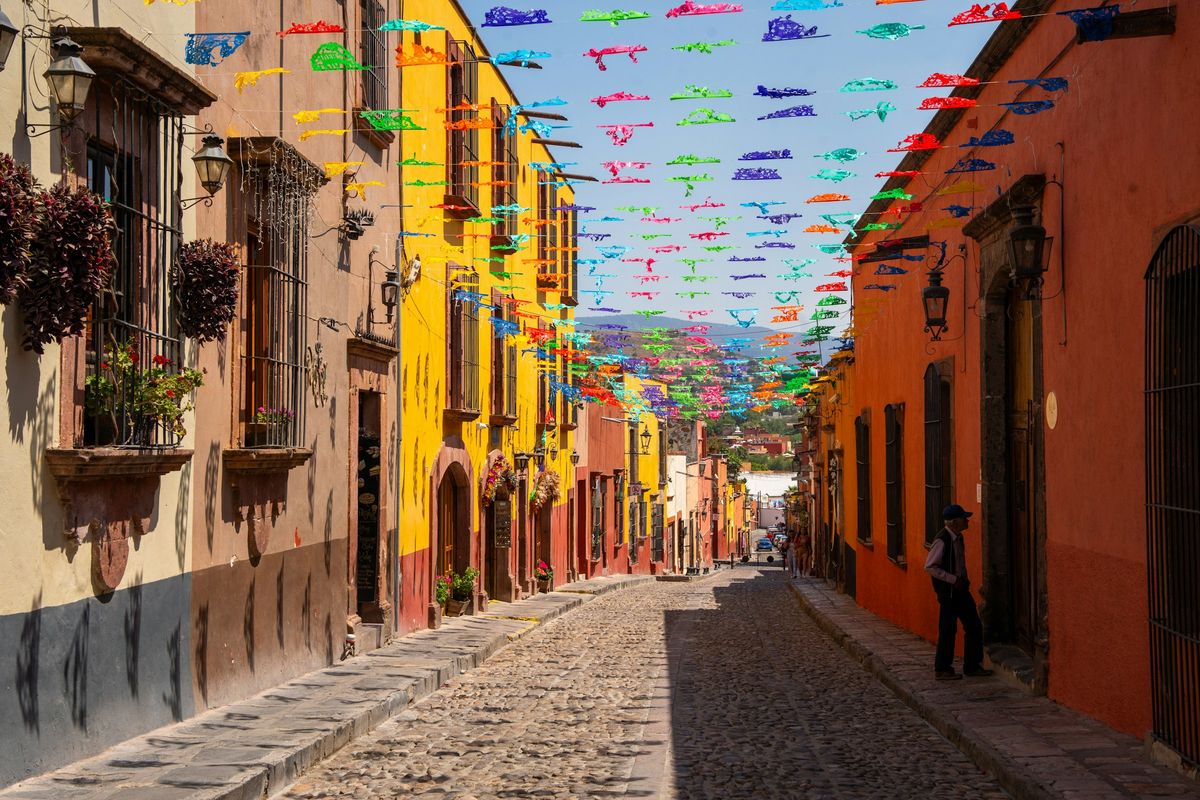
The safest city in Mexico for most people moving from the US is Mérida: about a third of its residents say they feel unsafe, against 58% nationally, and its state, Yucatán, has been at the lowest level of the US travel advisory in recent years. Querétaro, La Paz and Los Cabos score as well or better in Mexico’s official safety survey, and the Benito Juárez and Miguel Hidalgo districts lead Mexico City. Safety still varies by neighborhood, so check the street, not just the city.
The safest cities in Mexico, ranked
Every quarter, Mexico’s statistics agency, INEGI, asks adults in 91 cities whether they consider it unsafe to live there (the ENSU survey). It is the only official city-by-city measure, and it is the first column below. Nationally, 58.1% said their city was unsafe in September 2026, down from 63.0% a year earlier.
The ranking is Landed’s. It reads the survey together with the US State Department’s travel advisory and what a newcomer from the US needs: private hospitals, an established foreign community and flights home.
| Rank | City | Feel unsafe, Sep 2026 | Jun 2026 | Why it ranks here |
|---|---|---|---|---|
| 1 | Mérida, Yucatán | 34.0% | 38.2% | Low on the survey, Level 1 state, large foreign community |
| 2 | Querétaro | 26.8% | 36.1% | Lowest of the cities Americans choose; smaller foreign community |
| 3 | La Paz, Baja California Sur | 33.4% | 39.0% | Calm and low on the survey; fewer services than Mérida |
| 4 | Los Cabos, Baja California Sur | 37.8% | 39.5% | Low on the survey, with resort prices |
| 5 | Mexico City: Benito Juárez and Miguel Hidalgo | 13.8% and 40.0% | 17.4% and 39.3% | Varies sharply by district (see below) |
| 6 | San Miguel de Allende, Guanajuato | Not surveyed | Calm in daily life; the state’s problems are elsewhere | |
| 7 | Lake Chapala and Ajijic, Jalisco | Not surveyed | Calm lakeside towns; burglary is the usual complaint | |
| 8 | Puerto Vallarta, Jalisco | 53.6% | 65.4% | Calm where foreigners live, but near the national figure |
| 9 | Aguascalientes | 35.5% | 39.8% | Low on the survey, very few Americans |
Source: INEGI, ENSU, second and third quarters of 2026. The survey reports how residents feel, not crime rates, and figures for a single city can move several points from one quarter to the next.
Mérida and Yucatán
A city of about a million people with a long reputation as the safest large city in Mexico. In September 2026, 34.0% of its residents said they felt unsafe, well below the national figure and among the lowest of the cities Americans commonly choose. It has private hospitals, a large and growing foreign community and direct flights to the US. Progreso on the coast and the colonial towns of Valladolid and Izamal share the state’s low crime levels, with fewer services. See living in Mérida.
Querétaro
A prosperous, orderly city a few hours north of the capital. Its survey figure fell from 36.1% to 26.8% between June and September 2026, the lowest of any city on this list outside Mexico City’s best district. The American community is growing but still small, so expect to need more Spanish than in Mérida or San Miguel.
La Paz and Los Cabos
The southern end of the Baja peninsula, much quieter than the border cities in the north: La Paz at 33.4% and Los Cabos (San José del Cabo and Cabo San Lucas) at 37.8%. La Paz is a working state capital; Los Cabos is a resort area with resort prices. Todos Santos, between them, is not surveyed. See living in Baja California.
Mexico City, by district
Mexico City is surveyed district by district (alcaldía), and the spread is wide:
| District | Neighborhoods foreigners know | Feel unsafe, Sep 2026 |
|---|---|---|
| Benito Juárez | Del Valle, Narvarte, Nápoles | 13.8% |
| Miguel Hidalgo | Polanco, Lomas de Chapultepec | 40.0% |
| Coyoacán | Coyoacán center | 42.6% |
| Cuajimalpa | Santa Fe | 43.7% |
| Cuauhtémoc | Roma, Condesa, Juárez, the historic center | 55.9% |
| Álvaro Obregón | San Ángel | 57.6% |
| Iztapalapa | 67.0% |
Roma and Condesa, where many newcomers start, sit in a district at about the national figure, although the two neighborhoods themselves are busy and well policed. Del Valle and Narvarte, in Benito Juárez, are quieter residential alternatives a short ride away. See living in Mexico City.
San Miguel de Allende and Lake Chapala
Two of the largest American communities in Mexico, and neither is covered by the survey. The nearest surveyed cities say little about them: Guadalajara (80.0%) is an hour from Lake Chapala, and the Guanajuato cities with high figures are industrial centers far from San Miguel’s small, walkable center. Residents of both mostly report burglary and petty theft, and recent US advisories have set no restrictions on travel to either. See living in San Miguel de Allende and living in Lake Chapala and Ajijic.
Puerto Vallarta
A resort city with a big foreign community, many of them part-time. Its survey figure improved from 65.4% in June to 53.6% in September 2026, which is still close to the national figure. Daily life in the neighborhoods where foreigners live is calm, but Jalisco’s organized-crime problems have reached the city at times, most recently with road blockades in February 2026. See living in Puerto Vallarta.
The cities where residents feel safest
The lowest figures in the September 2026 survey came from cities few Americans move to:
| City | Feel unsafe, Sep 2026 |
|---|---|
| San Pedro Garza García, Nuevo León (Monterrey area) | 5.8% |
| Benito Juárez, Mexico City | 13.8% |
| San Nicolás de los Garza, Nuevo León | 14.3% |
| Piedras Negras, Coahuila | 14.3% |
| Torreón, Coahuila | 21.7% |
| Saltillo, Coahuila | 24.7% |
San Pedro Garza García is often described as the wealthiest municipality in Mexico, and Coahuila had four cities in the top ten in both June and September 2026. They suit people who speak Spanish and don’t need an expat network.
The survey measures how residents feel, which is not always the risk to a newcomer. Nuevo Laredo, in Tamaulipas, scored 20.4% in September 2026, yet Tamaulipas has been at Level 4, “do not travel”, in recent US advisories.
Popular places with more to weigh
- Cancún, Playa del Carmen and Tulum, Quintana Roo. Cancún scored 69.8% in September 2026; Playa del Carmen and Tulum are not surveyed. Generally fine for residents in the main areas, but the tourist economy draws theft, scams and drug dealing. See living in Playa del Carmen.
- Tijuana, Rosarito and Ensenada, Baja California. Close to the US and home to many Americans, in a state with high rates of violent crime. Tijuana scored 64.9%. The advisory’s notes and local advice matter more here than anywhere on this list.
- Oaxaca City scored 68.4% and Mazatlán, in Sinaloa, 85.8%.
- Campeche. Its state has shared Yucatán’s Level 1 rating in recent advisories, but residents of the capital have not felt the same: 65.9% said they felt unsafe in June 2026 and 49.6% in September.
The safest states in Mexico
The US State Department rates each Mexican state from Level 1 (exercise normal precautions) to Level 4 (do not travel). The table shows how the states with the most American residents have been rated in recent advisories. Landed cannot confirm the current levels: they are reviewed regularly, so check the State Department’s current Mexico travel advisory before you rely on any of them.
| Place | State | Level in recent advisories (check the current one) |
|---|---|---|
| Mérida, Progreso, Valladolid | Yucatán | 1: normal precautions |
| Campeche | Campeche | 1: normal precautions |
| Mexico City | Mexico City | 2: increased caution |
| Playa del Carmen, Tulum, Cancún | Quintana Roo | 2: increased caution |
| La Paz, Los Cabos, Todos Santos | Baja California Sur | 2: increased caution |
| Oaxaca City, Puerto Escondido | Oaxaca | 2: increased caution |
| Querétaro | Querétaro | 2: increased caution |
| Puerto Vallarta, Guadalajara, Lake Chapala | Jalisco | 3 for the state, with no restrictions set for these areas |
| San Miguel de Allende, Guanajuato City | Guanajuato | 3 for the state, with no restrictions set for these cities |
| Rosarito, Ensenada, Tijuana | Baja California | 3: reconsider travel |
The six states the advisory has rated Level 4 in recent years are Colima, Guerrero, Michoacán, Sinaloa, Tamaulipas and Zacatecas. Few Americans choose to live in them.
How to read a state rating
A state rating is a blunt tool. Jalisco and Guanajuato have been rated Level 3 because of organized crime in parts of each state, yet Puerto Vallarta, Ajijic and San Miguel de Allende hold three of the largest American communities in the country. The advisory’s notes for each state say which areas US government employees may and may not travel to, and those notes are more useful than the headline level.
The reverse also holds. A Level 2 state can contain neighborhoods no resident would walk through at night, and the advisory is written for visitors, not for people choosing a street to live on.
What the risks actually are
Most violence in Mexico is between criminal groups, or between those groups and the authorities, and it is concentrated in particular regions. Foreign residents are rarely the targets. The problems residents of the expat towns actually report are more ordinary:
- Theft and burglary, particularly of homes left empty for the season.
- Card skimming and ATM fraud. Use ATMs inside banks. In the September 2026 survey, cash machines on the street were the place residents felt least safe (68.7%).
- Phone scams, including calls claiming a relative has been kidnapped.
- Unlicensed taxis. App-based rides and official taxi stands are safer than hailing a cab on the street.
- Road accidents. A larger risk than crime in most places. Avoid driving between cities at night, and use toll roads where they exist.
- Natural hazards. Hurricanes on both coasts from June to November, and earthquakes in the center and south.
How to judge the safety of a neighborhood
A city’s reputation tells you less than the block you live on. Before you sign a lease:
- Read the advisory notes for the state and city, not only the level, on the State Department’s Mexico advisory page.
- Look up the city in INEGI’s latest ENSU survey, published every January, April, July and October. Compare it with the national figure and with the quarters before, since one quarter can swing.
- Ask people who live in that neighborhood. Local expat groups will tell you which streets have had break-ins, which are noisy at night and which flood.
- Visit at different times. Walk the area after dark and on a weekday morning, and notice whether people are out, whether streets are lit and whether houses have high walls and razor wire.
- Look at the building. A gated community (fraccionamiento cerrado) or a building with a doorman suits people who travel often. A house on a street with neighbors who are home all day can be just as secure.
- Check the routes you will use. If you plan to drive to the US, the highways matter as much as the town.
- Rent before you buy. Six months in a place teaches you more than any list. A local real estate agent can show you several neighborhoods and explain how they differ.
Sensible habits once you live there
- Enroll in the State Department’s Smart Traveler Enrollment Program (STEP), so the nearest US embassy or consulate can reach you in an emergency.
- Keep copies of your passport and resident card, and carry the card instead of the passport.
- Fit good locks, and have someone check the house when you are away.
- Stay out of the drug trade entirely, including as a buyer. It is the surest way to meet the people responsible for the violence.
The best places to live in Mexico for Americans compares the same towns on climate, cost and healthcare, the cost of living in Mexico shows what each costs, and living in Mexico as an American describes daily life.
Common questions
What is the safest city in Mexico?
In INEGI's September 2026 survey, the city where the fewest residents said they felt unsafe was San Pedro Garza García in the Monterrey area (5.8%, against 58.1% nationally). Among the places Americans usually move to, Querétaro (26.8%), La Paz (33.4%) and Mérida (34.0%) scored best. The survey measures how residents feel, so read it alongside the US travel advisory.
What is the safest place to live in Mexico for expats and Americans?
Mérida is the usual answer: about a third of its residents say they feel unsafe, roughly half the national figure, Yucatán has been at the lowest level of the US travel advisory in recent years, and it has a large foreign community. Querétaro, La Paz, Los Cabos and the Benito Juárez and Miguel Hidalgo districts of Mexico City also score well.
What is the safest state in Mexico to live in?
Yucatán is the state most often named as the safest in Mexico, and it has been at Level 1, the lowest level of the US State Department's travel advisory, in recent years. Campeche has shared that rating, though residents of its capital reported feeling much less safe in 2026. Levels change, so check the current advisory.
What are the safest towns in Mexico?
INEGI's survey covers only larger cities, so there are no comparable figures for small towns. Towns in Yucatán (Progreso, Valladolid, Izamal) are usually considered the safest, and the American towns of San Miguel de Allende, Ajijic and Todos Santos are calm in daily life. Some small towns sit on contested drug routes, so check the state advisory notes for the town itself.
What are the safest neighborhoods in Mexico City?
By district, Benito Juárez (Del Valle, Narvarte, Nápoles) had the lowest share of residents feeling unsafe in INEGI's September 2026 survey, at 13.8%, followed by Miguel Hidalgo (Polanco) at 40.0% and Coyoacán at 42.6%. Cuauhtémoc, which includes Roma and Condesa, was at 55.9%, close to the national figure.
Is Mexico a safe place to live for Americans?
For most Americans, yes, if they choose where to live with care. Violent crime is concentrated in particular states and is mostly between criminal groups, and foreign residents are rarely its targets. The risks residents actually report are more often theft, scams and road accidents. Read the State Department's advisory notes for the specific city.
Which parts of Mexico should Americans avoid living in?
In recent years the US State Department has advised against all travel to six Mexican states: Colima, Guerrero, Michoacán, Sinaloa, Tamaulipas and Zacatecas. The list is reviewed regularly and can change, and some popular towns sit inside higher-risk states, so read the current advisory's notes for the specific city.
Sources
This page is general information, not professional advice. Rules and amounts change, and officials apply them differently. Confirm the details with the relevant authority or a qualified professional before you act on them.