Living in Puerto Vallarta and the Pacific coast
Weigh up beach living in Puerto Vallarta, with rents by neighborhood, an honest look at summer and safety, and the quieter towns up the coast.
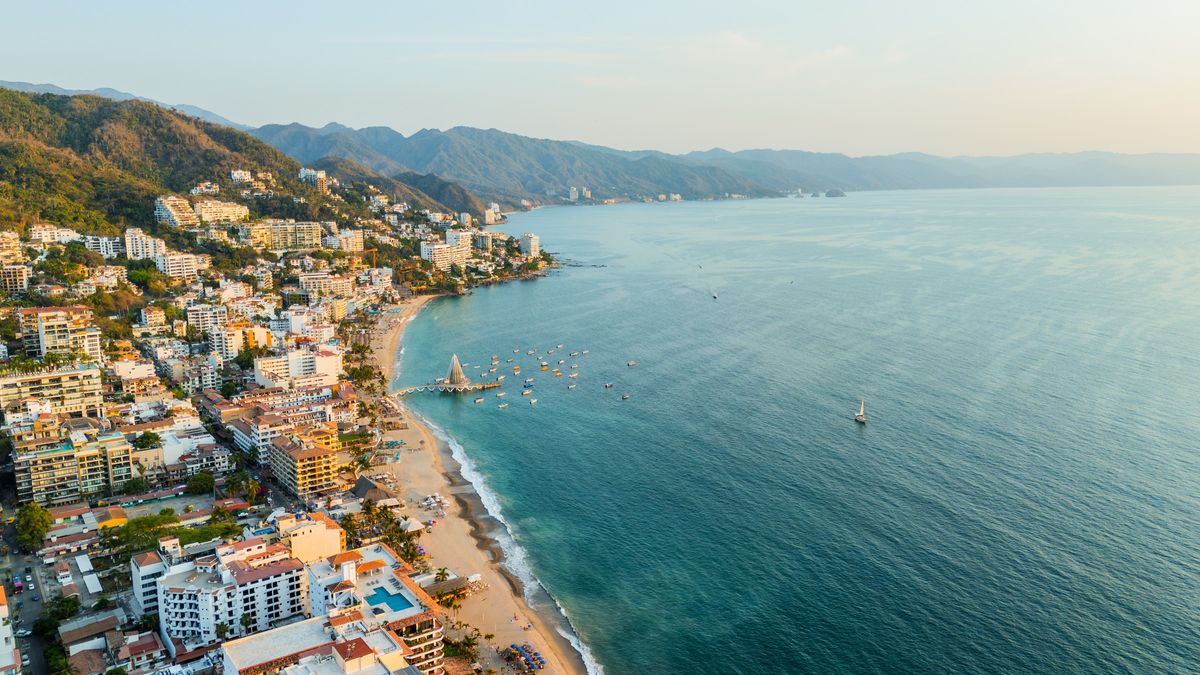
Puerto Vallarta lets you live by the Pacific in a real city, with good private hospitals, a large and sociable foreign community and direct flights to much of the US and Canada. It suits people who want beach life with city services and can take a hot, wet summer, and it is a poor fit for anyone on a tight budget or sensitive to humidity.
Cost figures on this page are estimates in US dollars for early planning. Check current listings and ask residents before you rely on them.
Puerto Vallarta at a glance
| Climate | Warm and dry from November to May; hot, humid and rainy from June to October, with a hurricane risk |
| Elevation | Sea level, with steep hills behind the old town |
| Nearest international airport | Puerto Vallarta (PVR), inside the city, with direct flights to many US and Canadian cities; fewer in summer |
| Hospital access | Several private hospitals in the city; Guadalajara for the most complex care |
| Typical rent, one or two bedrooms | About $1,000 to $2,200 |
| Foreign community | Large and long-established; Americans and Canadians, many of them winter residents, and a prominent LGBTQ community |
| Spanish | Little needed in the tourist areas; needed in local neighborhoods and offices |
Who it suits, and who it doesn’t
Puerto Vallarta suits retirees and remote workers who want the ocean without giving up a hospital, an airport and a supermarket nearby. It is one of the most welcoming places in Mexico for gay and lesbian residents, and its restaurant scene is strong.
It suits you less if you want cool weather, quiet, or low costs. From July to September many foreign residents leave. The older neighborhoods are built on hillsides with long flights of stairs, and the beach areas are busy with tourists and cruise passengers in winter.
Neighborhoods and towns, and how they differ
The city wraps around the Bay of Banderas. The state line with Nayarit is just north of the airport, and the towns beyond it are part of the same daily orbit.
| Area | Typical rent | What it is like |
|---|---|---|
| Zona Romántica and Amapas | $1,200 to $2,200 | The old town south of the river: walkable, lively, noisy at night, steep behind the beach |
| Centro and 5 de Diciembre | $1,000 to $1,800 | The seafront promenade and the hillside above it; older buildings, many stairs |
| Versalles and Fluvial Vallarta | $900 to $1,600 | Flat residential neighborhoods inland, popular with year-round residents; good restaurants, no beach |
| Marina Vallarta and the Hotel Zone | $1,200 to $2,200 | Condo towers, a marina and a golf course near the airport; easy parking |
| Conchas Chinas and the south shore | $1,500 to $3,000 | Hillside villas and condos with bay views; you need a car |
| Pitillal and other local neighborhoods | $500 to $900 | Where most of the city’s workers live; few foreigners, lowest rents |
| Nuevo Vallarta and Bucerías (Nayarit) | $1,000 to $2,000 | Flat, long beaches, 20 to 40 minutes north; gated resorts in one, a small town in the other |
| Sayulita and San Pancho (Nayarit) | $1,200 to $2,500 | Small surf towns about an hour north; younger, limited services, crowded in season |
Rents are for a one- or two-bedroom home on a one-year lease. Many owners prefer to rent by the week in winter, so year-round leases take some finding.
Cost of living
As an estimate, a couple spends about $2,800 to $4,500 a month including rent. Puerto Vallarta costs more than Lake Chapala or Mérida and less than Los Cabos.
- Electricity. Air conditioning from June to October can take a bill from about $40 to $200 a month or more.
- Tourist pricing. Restaurants and shops near the beach charge close to US prices. A few blocks inland they do not.
- Condo fees. Often included in rent; check before you sign.
The cost of living in Mexico compares rents and budgets across the country.
Healthcare
Puerto Vallarta has several private hospitals with emergency rooms, intensive care and English-speaking staff, and they are used to dealing with foreign patients and insurers. Prices at hospitals in resort cities run higher than inland, and a deposit is usually required on admission. For the most specialized treatment, residents go to Guadalajara. See healthcare in Mexico.
Getting there and getting around
The airport is 15 to 30 minutes from most neighborhoods. Winter brings direct flights from across the US and Canada, and the schedule thins out in summer.
City buses are frequent and cheap, and taxis and ride-hailing are easy to find, so people living between the Zona Romántica and Versalles often manage without a car. A car helps on the south shore and in Nayarit. Guadalajara is roughly three and a half to five hours away by road, depending on the route.
Safety
In the quarterly survey run by Mexico’s statistics agency, INEGI, 53.6% of Puerto Vallarta’s residents said they felt unsafe in September 2026, down from 65.4% in June and a little under the national figure of 58.1%. Daily life in the neighborhoods where foreigners live is calm. The usual problems are petty theft, drink spiking in bars, timeshare pressure and rip currents on open beaches.
The wider picture is less comfortable. Jalisco is the home of one of Mexico’s most powerful criminal organizations, and recent US advisories have rated the state Level 3 while setting no restrictions on travel to Puerto Vallarta. Security operations have at times been followed by road blockades and burned vehicles in the city, most recently in February 2026, when flights were also disrupted. These episodes have been short and were not aimed at residents or visitors. Levels and restrictions are reviewed regularly, so check the State Department’s current Mexico travel advisory before you rely on them.
Read the current advisory, and see the safest cities in Mexico to live.
The downsides
- Summer. Heat, humidity, mosquitoes and daily downpours from June to October.
- Hurricanes. The bay and mountains give some shelter, but storms have struck the city. Ask about a building’s history and insurance.
- Humidity damage. Mold, rust and salt air wear out homes, cars and electronics.
- Tourism. Crowds, noise and vendors in the beach neighborhoods all winter.
- Rising prices. Rents and condo prices have climbed quickly.
- Bank trust. The whole coast is in the restricted zone, so foreigners buy through a fideicomiso.
How people usually start
- Visit in August or September, as well as in winter.
- Rent for six to twelve months. Try an old-town apartment and a flat neighborhood before choosing. A local real estate agent can find year-round leases.
- Check residency. See which residency option your income supports.
- Understand the trust before buying. Buying property in Mexico explains the fideicomiso and the checks to make on a condo.
The best places to live in Mexico compares the Pacific coast with the highlands and the Caribbean, and retiring in Mexico covers pensions and Medicare.
Common questions
How much does it cost to live in Puerto Vallarta?
As an estimate, a couple living in Puerto Vallarta spends about $2,800 to $4,500 a month including rent, and a single person about $2,000 to $3,200. A one- or two-bedroom home in the areas popular with foreigners rents for about $1,000 to $2,200, and summer air conditioning adds to the electricity bill.
Is Puerto Vallarta safe to live in?
Daily life in the neighborhoods where foreigners live is calm, though residents of the city as a whole feel about as safe as the Mexican average: 53.6% told INEGI's September 2026 survey they felt unsafe, against 58.1% nationally. The state of Jalisco has been rated Level 3 in recent US travel advisories, with no travel restrictions set for Puerto Vallarta. Check the current advisory and local news.
Is Puerto Vallarta a good place to retire?
Puerto Vallarta is a good place to retire for people who want the beach, private hospitals in the city and direct flights home. Retirees in Puerto Vallarta need to be comfortable with hot, humid, rainy summers, hills and stairs in the older neighborhoods, and prices above most inland towns.
What is the weather like in Puerto Vallarta year-round?
Puerto Vallarta is warm and dry from about November to May, with highs in the low to mid 80s°F (27 to 30°C). From June to October it is hot, very humid and wet, with highs around 90°F (32°C), heavy evening storms and a risk of hurricanes.
Sources
- Puerto Vallarta International Airport (Grupo Aeroportuario del Pacífico)
- Gobierno de Puerto Vallarta (municipal government)
- Visit Puerto Vallarta, the official tourism guide
- INEGI: ENSU results for the third quarter of 2026 (September 2026)
- INEGI: national survey of urban public safety (ENSU)
- US National Hurricane Center
This page is general information, not professional advice. Rules and amounts change, and officials apply them differently. Confirm the details with the relevant authority or a qualified professional before you act on them.