Retiring in Mexico: residency, healthcare and where people settle
Residency on a pension, healthcare without Medicare, receiving Social Security, and where retirees live.
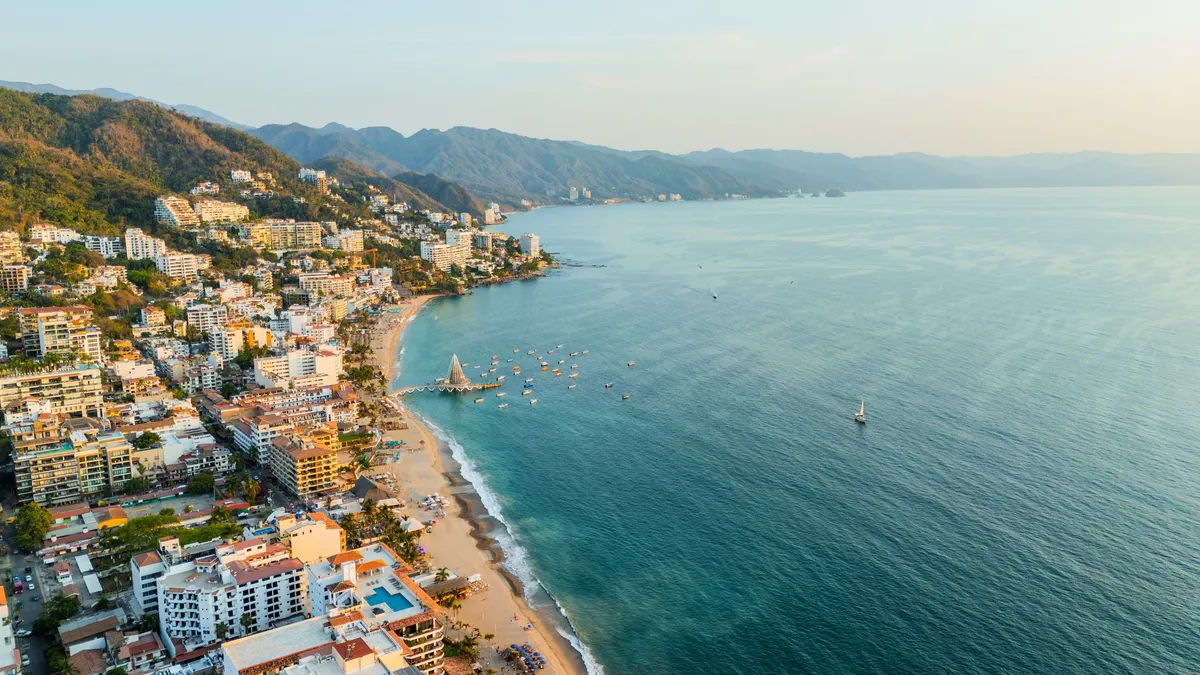
Mexico is the most common country for Americans retiring abroad. It is close, flights are short, and there are towns where thousands of retirees already live. The practical questions are residency, healthcare and money.
Residency on retirement income
Pension and Social Security income count toward residency. Which type you get depends on how much:
- With roughly $4,000 to $5,000 a month, you can usually qualify for temporary residency, and convert to permanent after four years.
- With roughly $7,000 to $8,500 a month in pension income, you may qualify for permanent residency directly.
- Savings can qualify in place of income for either one.
These ranges reflect recent years. The exact figures change every January and differ between consulates, so confirm them with the consulate you will apply at. A couple usually applies with one person as the main applicant and the other as a dependent.
Healthcare
Medicare doesn’t pay for care in Mexico. Retirees handle this in one of three ways, often in combination:
- Private insurance, from a Mexican insurer or an international one. Premiums rise with age, and some insurers won’t take new customers past a certain age, so get quotes before you commit to moving.
- Paying directly. Routine care in Mexico often costs far less than in the US, and many retirees pay for doctor visits and medicines themselves and insure only against large bills.
- The public system (IMSS). Residents can apply to join voluntarily for an annual fee. It excludes some existing conditions and has waiting periods.
Many retirees keep Medicare Part B so they are covered on visits to the US or if they move back.
Social Security and money
- You can receive Social Security while living in Mexico, paid into a US account or directly to a Mexican bank.
- You still file a US tax return each year, and report foreign accounts above a threshold.
- Residents aged 60 and over can apply for a senior discount card (INAPAM) that reduces some transport, medicine and other costs.
- Your income is in dollars and your costs are in pesos, so the exchange rate changes your budget from year to year. Leave room for that.
Where retirees settle
- Lake Chapala and Ajijic, near Guadalajara: the longest-established retiree community, at altitude with mild weather and big-city hospitals an hour away.
- San Miguel de Allende: a colonial highland town with a large English-speaking community and an active arts scene.
- Puerto Vallarta and the Pacific coast: beach living with good hospitals and direct flights north.
- Mérida: a calm colonial city with good healthcare and very hot summers.
- Baja California: close to the border for people who want to drive back to the US.
Altitude, heat and distance to a major hospital matter more at 75 than at 60. Spend time in a place in its worst season before settling there.
Before you commit
- Spend a few months renting in the town you are considering.
- Check which residency type your income supports.
- Get health insurance quotes at your current age.
- Decide what happens to your car, since permanent residents generally can’t keep a US-plated one.
- Read the steps for the whole move for the order to do things in.
Common questions
Can I collect Social Security while living in Mexico?
Yes. US citizens can receive Social Security retirement benefits while living in Mexico, paid into a US account or directly to a Mexican bank.
Does Medicare work in Mexico?
No. Medicare generally doesn't pay for care outside the US. Retirees in Mexico use private insurance, pay directly, join the public system, or combine these. Many keep Medicare Part B for visits home.
How much income do I need to retire in Mexico?
For residency, consulates have recently asked for roughly $4,000 to $5,000 a month for a temporary resident visa, or roughly $7,000 to $8,500 a month in pension income for permanent residency. Savings can qualify in place of income.
Where do most American retirees live in Mexico?
The largest communities are around Lake Chapala and Ajijic, in San Miguel de Allende, in Puerto Vallarta and along the Pacific coast, in Mérida, and in Baja California.
This page is general information, not legal advice. Rules and amounts change, and officials apply them differently. Confirm the details with an attorney before you act on them.