Living in Mexico City: cost of living, neighborhoods and daily life
Plan a realistic Mexico City budget, with rent by neighborhood and a clear view of what living in the capital involves.
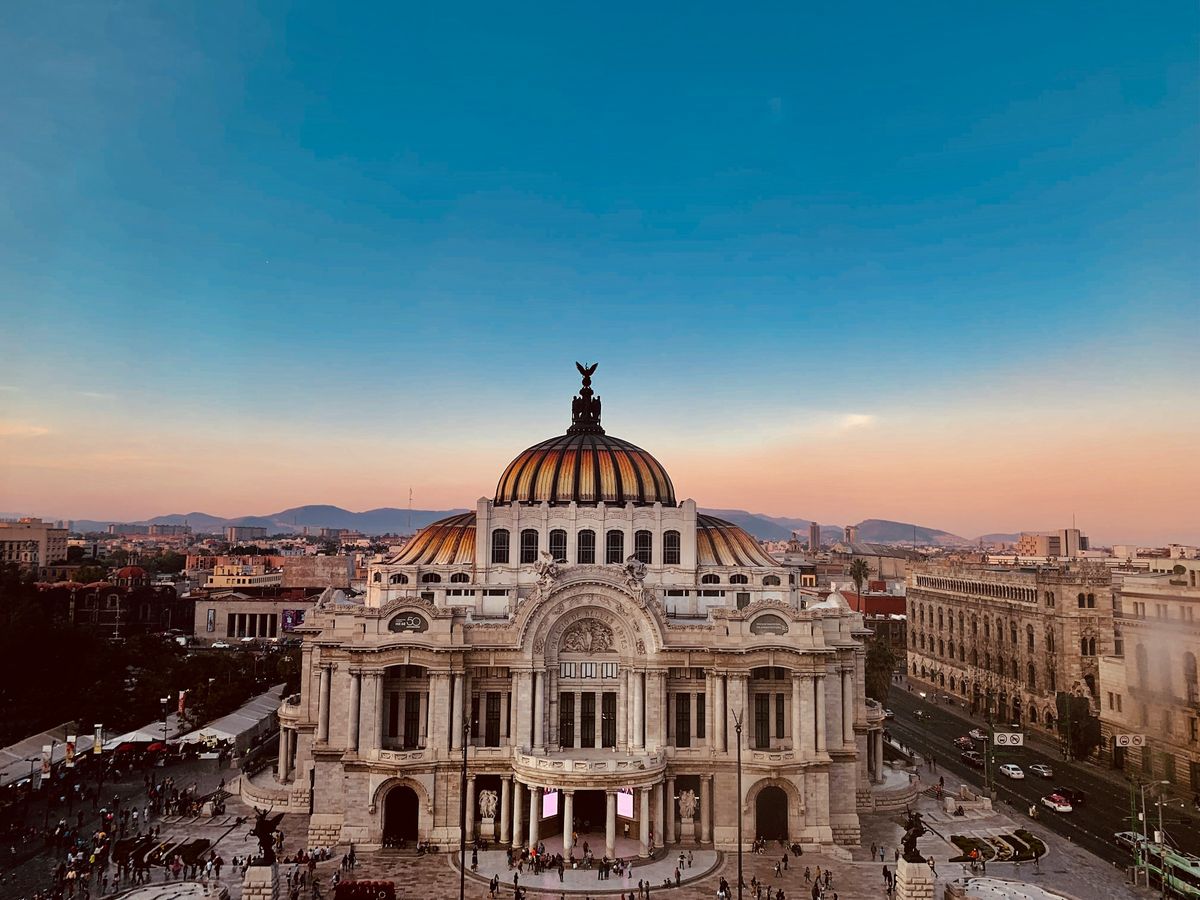
In 2026, a single person living in central Mexico City spends roughly $1,800 to $3,000 a month, and a couple roughly $2,500 to $4,500, with rent making up about half. That is well below the big US coastal cities and above almost everywhere else in Mexico.
In return you get one of the world’s great cities: mild weather, the country’s best hospitals, restaurants and museums, and flights to almost anywhere. It suits people who want big-city life and can work around altitude, traffic and noise.
All figures on this page are estimates in US dollars for early planning. They move with the exchange rate and with a rental market that has been rising. Check current listings before you rely on them.
Mexico City at a glance
| Climate | Mild all year: warm, dry springs, afternoon rain from about June to October, cool winter nights |
| Elevation | About 7,350 feet (2,240 meters) |
| Nearest international airport | Mexico City International (MEX), inside the city, with direct flights across the US. A second airport, Felipe Ángeles (NLU), is well north of the city |
| Hospital access | The best private hospitals in the country, most within a short drive of the central neighborhoods |
| Typical rent, one bedroom | About $1,200 to $2,500 in Condesa, Roma Norte and Polanco; $700 to $1,400 a few neighborhoods out |
| Foreign community | Large, younger and professional, concentrated in a handful of central neighborhoods |
| Spanish | Needed for most of daily life; English is common only in Condesa, Roma and Polanco |
Who Mexico City suits, and who it doesn’t
Mexico City suits remote workers, professionals and active retirees who would choose a capital city in any country. You can live without a car, see a specialist the same week, and never run out of things to do.
It is a poor fit for people who want quiet, clean air and open space, or an English-speaking community that organizes itself around newcomers. Retirees who want that usually look at Lake Chapala or San Miguel de Allende, both a short flight or a few hours’ drive away. The altitude rules the city out for some people with heart or lung conditions.
Monthly budget
| Single person | Couple | |
|---|---|---|
| Rent, one or two bedrooms in a central neighborhood | $1,200 to $2,000 | $1,400 to $2,500 |
| Utilities, internet and phones | $80 to $130 | $100 to $160 |
| Groceries | $200 to $350 | $350 to $550 |
| Eating out and coffee | $150 to $350 | $300 to $600 |
| Transport | $40 to $120 | $60 to $200 |
| Health insurance and care | $80 to $300 | $200 to $600 |
| Everything else | $100 to $300 | $200 to $500 |
| Total | About $1,800 to $3,000 | About $2,500 to $4,500 |
Health costs vary most with age. See healthcare in Mexico.
Rent by neighborhood
Approximate monthly rent for a one-bedroom apartment on a one-year lease:
| Neighborhood | Monthly rent | What it is like |
|---|---|---|
| Polanco | $1,500 to $3,000 | The most expensive district: embassies, luxury shops, modern towers |
| Condesa and Roma Norte | $1,200 to $2,500 | Tree-lined, walkable, full of cafes and foreigners |
| Juárez and Cuauhtémoc | $1,000 to $2,000 | Central, next to the main avenue, a mix of offices and apartments |
| San Rafael and Santa María la Ribera | $700 to $1,300 | Older central neighborhoods that are changing quickly |
| Escandón and San Miguel Chapultepec | $800 to $1,500 | Next to Condesa at lower prices |
| Narvarte and Del Valle | $700 to $1,400 | Middle-class and residential, with few foreigners |
| Coyoacán | $800 to $1,500 | Colonial and quiet, in the south, far from the center |
Rents in Condesa and Roma have risen sharply since remote workers arrived in large numbers, and the same apartment a mile (1.6 km) away often costs a third less.
Renting an apartment
- Landlords usually ask for a guarantor who owns property in the city (aval), or a paid legal policy (póliza jurídica) in place of one. Foreigners normally use the policy, which costs a share of a month’s rent.
- Expect to pay a deposit of one or two months plus the first month.
- Many unfurnished apartments come without a refrigerator, stove or light fittings.
- Furnished rentals aimed at foreigners are quoted in dollars and cost noticeably more.
A local real estate agent can explain the lease before you sign.
How much money you need to move to Mexico City
The monthly budget is only part of it. Before the first month’s bills, most people pay for:
- The lease. A deposit of one or two months plus the first month’s rent, so three months’ rent up front is a safe figure to plan for.
- A rental guarantee. Without a local guarantor (aval), a legal policy (póliza jurídica) costing a share of a month’s rent.
- Setting up the apartment. Many unfurnished apartments come without a refrigerator, stove or light fittings.
- A few weeks in a short-term rental while you look, which costs more than a lease.
- Residency. Consulate and immigration fees, plus a facilitator or lawyer if you use one. See Mexico residency requirements.
- Shipping or flights for your belongings. See international movers to Mexico.
- A cushion. Several months of expenses in reserve, because the peso moves and setting up takes longer than expected.
The other number that matters is the residency requirement: to stay beyond the 180 days a visitor can get, you have to show the consulate income or savings above its threshold, which is usually more than the monthly budget below. See the temporary resident visa requirements.
Everyday prices
| Item | Typical price |
|---|---|
| Set lunch at a neighborhood restaurant | $4 to $8 |
| Street tacos, a full meal | $3 to $6 |
| Dinner for two at a good restaurant in Roma or Polanco | $60 to $120 |
| Coffee at a cafe | $3 to $4 |
| Metro ride | About 30 cents |
| Ride-hailing trip across the central neighborhoods | $3 to $8 |
| Home internet, per month | $25 to $40 |
| Electricity, per month | $15 to $40 |
| Cleaner, one visit | $20 to $35 |
Electricity is cheap because few homes need heating or air conditioning. Markets and street stalls cost far less than supermarkets, and supermarkets cost far less than the imported-goods stores in Polanco.
What living in Mexico City is like
- Climate. Mild all year. Warm, dry springs; afternoon rain from about June to October; cool winter nights. Most apartments have no heating.
- Altitude. About 7,350 feet (2,240 meters). Most people adjust within a week or two. Anyone with a heart or lung condition should ask a doctor first.
- Air quality. Much better than in the 1990s, and still poor on some days in the dry season.
- Getting around. The central neighborhoods are walkable. The metro and bus network is cheap and crowded, and ride-hailing is inexpensive. Most foreigners in the center don’t own a car, and driving is restricted on some days under an emissions program.
- Earthquakes. The city has an alert system that sounds seconds before shaking arrives. Ask about a building’s age and condition before you rent.
- Water. Supply is under strain, and some districts have cuts in the dry season. Ask whether the building has a cistern.
- Language. You need more Spanish than in the expat towns. English is common in Condesa, Roma and Polanco, and uncommon elsewhere.
Healthcare
Mexico City has the widest choice of private hospitals and specialists in the country, including Centro Médico ABC, Médica Sur and the Hospital Ángeles group, and many doctors speak English. Prices at the top hospitals are the highest in Mexico and still well below US prices. Hospitals ask for a deposit or proof of insurance on admission. See healthcare in Mexico.
Getting there
The main airport is inside the city, 20 to 60 minutes from the central neighborhoods depending on traffic, and has direct flights to most large US cities. Some flights use Felipe Ángeles airport, which is much farther out, so check which one a ticket uses. First-class buses reach most of central Mexico.
Is Mexico City safe?
The central neighborhoods where most foreigners live are busy and well policed, and residents walk in them day and evening. The usual problems are phone theft, pickpocketing on public transport and taxi scams. Use ride-hailing apps instead of hailing cabs on the street.
Other parts of the city have much higher rates of robbery and violent crime, and the difference between districts is large. In INEGI’s September 2026 safety survey, 13.8% of residents of Benito Juárez (Del Valle, Narvarte) said they felt unsafe, 40.0% in Miguel Hidalgo (Polanco), 55.9% in Cuauhtémoc (Roma, Condesa) and 67.0% in Iztapalapa. Mexico City has been rated Level 2, “exercise increased caution”, in recent US travel advisories, but levels are reviewed regularly: check the State Department’s current Mexico advisory before you rely on it, and see the safest cities in Mexico for how the city compares.
The downsides
- Rising rents. The central neighborhoods have become expensive, and some residents resent the foreigners they blame for it.
- Traffic and noise. Crossing the city can take two hours.
- Air quality and altitude, particularly in the dry season.
- Earthquakes and water shortages.
- Scale. A metropolitan area of more than 20 million people is tiring as well as exciting.
Mexico City compared with other places
Mexico City’s central neighborhoods are among the most expensive places to rent in Mexico, alongside Los Cabos and San Miguel de Allende. Guadalajara offers big-city services for less, and Mérida is cheaper still, with a very different climate. The cost of living in Mexico compares rents in nine places, and the best places to live in Mexico compares them on climate and healthcare.
Before you move
- Stay for a month in the neighborhood you are considering, on a short-term rental.
- Look at apartments in person. Listings are often out of date.
- Check which residency option your income supports. The income requirement is usually higher than what you will spend.
- Read living in Mexico as an American for water, banking and paperwork.
Common questions
How much does it cost to live in Mexico City per month?
As an estimate, a single person living in one of Mexico City's central neighborhoods spends about $1,800 to $3,000 a month, and a couple about $2,500 to $4,500. Rent is the largest part. Living a few neighborhoods out from the areas popular with foreigners can cut the total by a third.
How much money do you need to move to Mexico City?
Plan for the move itself as well as the monthly budget: a deposit of one or two months' rent plus the first month, a rental guarantee policy if you have no local guarantor, furniture and appliances if the apartment is unfurnished, residency fees, and a cushion of several months' expenses. To live there legally beyond 180 days you also need to meet the residency income or savings requirement, which is usually higher than what you will spend.
Is Mexico City expensive compared with the US?
Mexico City costs much less than New York, Los Angeles or San Francisco and is closer to a mid-priced US city once you rent in Condesa, Roma or Polanco. Food, transport, healthcare and household help are far cheaper than in the US. Imported goods, cars and electronics are not.
How much is rent in Mexico City?
As an estimate, a one-bedroom apartment in Mexico City rents for about $1,200 to $2,500 a month in Condesa, Roma Norte or Polanco, and about $700 to $1,400 in neighborhoods such as Narvarte, Del Valle and Escandón. Furnished and short-term rentals cost more than a one-year unfurnished lease.
Is Mexico City a good place for Americans to live?
Mexico City suits Americans who want a very large city: it has the country's best hospitals, restaurants, museums and flight connections, and mild weather all year. The drawbacks are the altitude of about 7,350 feet, traffic, air quality, earthquakes and rents that have risen quickly in the central neighborhoods.
Sources
- INEGI: ENSU results for the third quarter of 2026 (September 2026)
- INEGI: national consumer price index (INPC)
- Procuraduría Federal del Consumidor (Profeco), Mexico's consumer agency
- US Embassy and Consulates in Mexico
- Mexico City International Airport (AICM)
- Overseas Security Advisory Council (US State Department): Mexico
This page is general information, not professional advice. Rules and amounts change, and officials apply them differently. Confirm the details with the relevant authority or a qualified professional before you act on them.