Living in Mexico as an American: daily life, pros and cons
A clear picture of everyday life in Mexico, so you can judge whether it suits you before you plan the move.
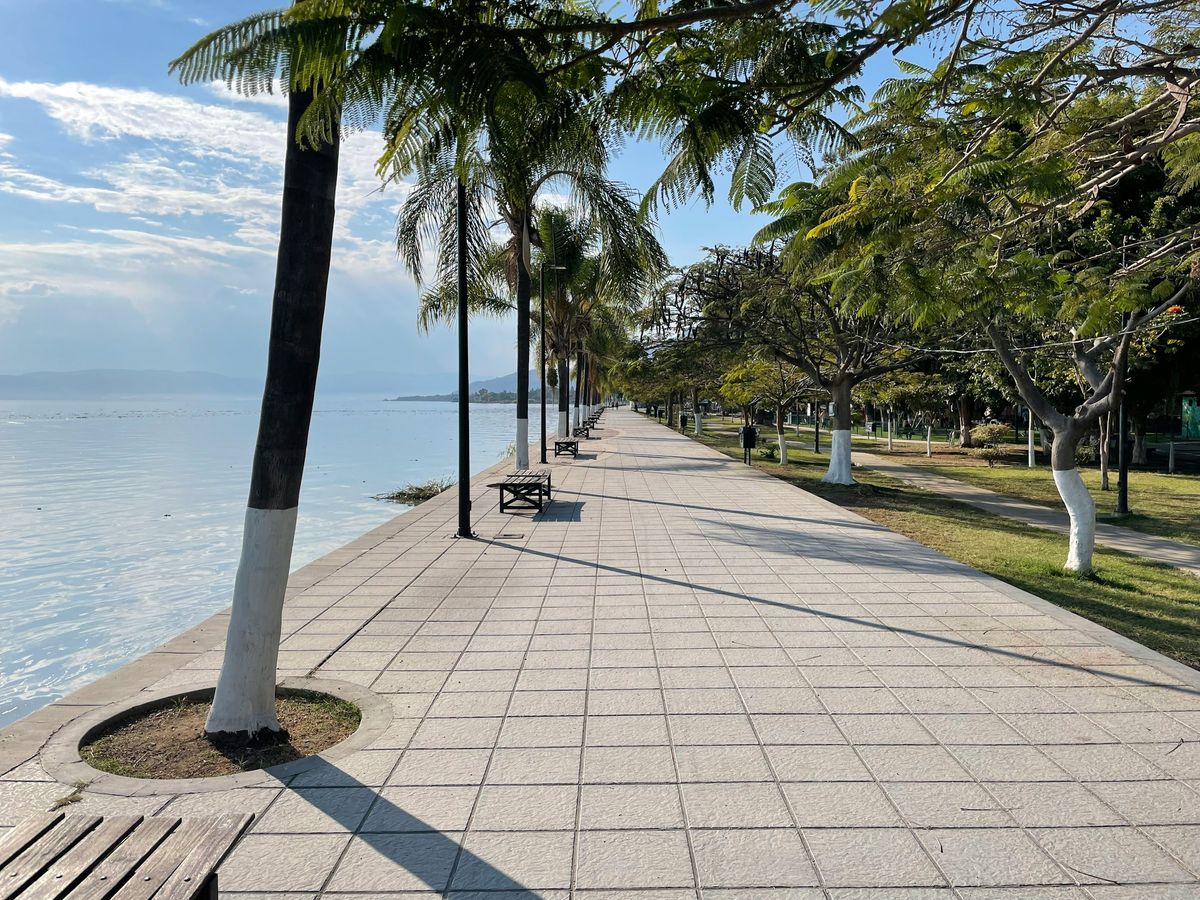
Americans can live in Mexico legally, as visitors for up to 180 days at a time or year-round with a resident card, and more of them live there than in any other foreign country. Daily life runs in Spanish and in pesos, costs less than in the US for most people, and is easiest in the towns where American communities are already established.
Daily life at a glance
| Part of life | What to expect |
|---|---|
| Legal status | Visitor permit for short stays; a resident card to live there year-round |
| Language | Spanish everywhere official. English is common only in the expat towns and resort areas |
| Money | Pesos. Cards work in cities and chains; markets, taxis and small shops want cash |
| Tap water | Not for drinking. Homes use delivered 5-gallon bottles or a filter system |
| Healthcare | Private doctors and hospitals, paid directly or through insurance. Medicare does not pay in Mexico |
| Internet | Fiber is common in cities and expat towns; slower and patchier in small villages |
| Driving | A valid US license works for visitors. You need Mexican auto insurance, because US policies are not recognized |
| Safety | Varies by state and neighborhood far more than by country |
| Cost | Lower than the US for most people, with rent the biggest variable |
Each row is covered below, with links to the detailed guides.
Where Americans live
The US State Department has put the number of US citizens in Mexico at around 1.6 million, a figure that includes many dual citizens. Americans who moved by choice cluster in a few places:
- Lake Chapala and Ajijic, near Guadalajara: the oldest retiree community, with English-language clubs, churches and volunteer groups. See living in Lake Chapala.
- San Miguel de Allende: a colonial highland town with a large arts-minded foreign community. See living in San Miguel de Allende.
- Puerto Vallarta and the Nayarit coast: beach living with direct flights north. See living in Puerto Vallarta.
- Mexico City: younger and more professional, concentrated in a few central neighborhoods. See living in Mexico City.
- Mérida: calm, hot and good value. See living in Mérida.
- The Riviera Maya and Baja California: remote workers on the Caribbean side, and retirees within a drive of California in Baja. See living in Playa del Carmen and living in Baja California.
The best places to live in Mexico compares them on climate, cost and healthcare.
Language and paperwork
You can order dinner, hire a plumber and see a doctor in English in the expat towns. You can’t do that at the immigration office, the electricity company or the vehicle registry. Official life in Mexico is in Spanish and on paper: expect to bring originals and copies of your passport, resident card and a recent utility bill to almost every appointment.
Two numbers matter once you are a resident. The CURP is your population registry number, printed on your resident card. The RFC is your tax ID, which banks and some landlords ask for. See taxes in Mexico for Americans.
Money and banking
Most Americans keep their US bank accounts and cards and add a Mexican account for rent and bills. Mexican banks generally ask for a resident card and proof of address before they will open one, so visitors mostly rely on ATMs. Withdrawing pesos from a bank ATM usually gives a better rate than exchanging cash.
Your income is in dollars and your costs are in pesos, so the exchange rate changes your budget from year to year. The cost of living in Mexico has typical monthly budgets.
Home life: water, gas, power and internet
- Water. Tap water is used for washing, not drinking. Purified water comes in 5-gallon (20-liter) bottles delivered to the door for a dollar or two, or from a filter fitted under the sink. Many homes store water in a roof tank and a cistern, because the mains supply is not always continuous.
- Gas. Stoves and water heaters usually run on propane, delivered by truck to a cylinder or a fixed tank. Piped gas exists in parts of the big cities.
- Electricity. Bills are low in the highlands, where homes need neither heating nor air conditioning. On the coast and in the Yucatán, heavy air conditioning can move a home into a much higher rate band.
- Internet and phones. Fiber home internet and prepaid cell phone plans cost less than in the US. Check the actual connection at an address before signing a lease if you work online.
- Noise. Fireworks, church bells, dogs, street vendors and late parties are part of life in most Mexican neighborhoods. Visit at night and on a weekend before you rent.
Getting around
Visitors can drive on a valid US license. Residents usually get a license from the state where they live. Mexican liability insurance is required in practice everywhere, and a US policy is not accepted after an accident.
A US-plated car can stay under a temporary import permit that follows your immigration status. Temporary residents can keep one. Permanent residents generally can’t, outside Baja California and the border zone, so the car is worth deciding on before you choose a residency type. Many residents of walkable towns do without a car and use buses, taxis and ride-hailing apps, which are cheap.
Health and safety
Private care is good in the cities and costs far less than in the US, but it is paid up front, and Medicare does not cover it. Healthcare in Mexico explains the public and private systems and what residents actually use.
Safety depends on the state, the city and the neighborhood. The towns with large American communities are, in general, places where residents report feeling safe in daily life. The safest cities in Mexico for expats groups the main towns by how they compare and covers how to check a specific neighborhood.
Pros and cons of living in Mexico
| Pros | Cons |
|---|---|
| Lower cost of living for most people, especially rent, services and eating out | Paperwork, repairs and official processes are slow and in Spanish |
| Good private healthcare in the cities at a fraction of US prices | Medicare doesn’t pay for care in Mexico |
| Mild weather all year in the highlands | Heat and humidity on the coasts; altitude in the highlands |
| Large American communities in several towns | Safety varies sharply between states, cities and neighborhoods |
| Short flights to most of the US | Income in dollars, costs in pesos: exchange-rate swings change your budget |
| Residency on income or savings, with no investment required | US tax filing continues every year |
The cost of living in Mexico puts numbers on the budget side.
What takes getting used to
- Pace. Repairs, deliveries and official processes take longer and need more follow-up than in the US.
- Climate. Altitude in the highlands (5,000 to 7,500 feet, or 1,500 to 2,300 meters) and heat on the coasts both affect some people’s health.
- Distance. Family events, aging parents and grandchildren are a flight away. Budget for trips home.
- US obligations. You still file a US tax return every year and report foreign bank accounts above $10,000.
- Being a guest. Foreigners can’t take part in Mexican politics, and working for a Mexican employer or clients needs permission. See working in Mexico as an American.
Try it before you commit
The most reliable way to find out whether life in Mexico suits you is to rent for three to six months, ideally through the least pleasant season: the summer heat on the coast, or the rainy months in the highlands. A visitor permit covers a stay of that length for most people. If you decide to stay, the steps for moving to Mexico sets out what to do and in what order.
Common questions
Can an American live in Mexico?
Yes. An American can live in Mexico for up to 180 days at a time as a visitor, at the immigration officer's discretion, or year-round with a temporary or permanent resident card. Residency is applied for at a Mexican consulate in the US and is usually based on income or savings.
How many Americans live in Mexico?
Nobody counts Americans living in Mexico precisely. The US State Department has put the number of US citizens in Mexico at around 1.6 million, which includes many dual citizens and children, and Mexican census figures for US-born residents are lower. Either way, Mexico has more American residents than any other foreign country.
What are the pros and cons of living in Mexico?
The main advantages are a lower cost of living for most people, affordable private healthcare, mild weather in the highlands, established American communities and short flights home. The main drawbacks are paperwork and services that run slowly and in Spanish, healthcare that Medicare doesn't cover, safety that varies sharply by place, and exchange-rate swings on a dollar income.
Do I need to speak Spanish to live in Mexico?
You can live in Mexico with little Spanish in towns with large American communities, such as Ajijic, San Miguel de Allende and Puerto Vallarta. Government offices, utilities, landlords and most doctors outside those towns work in Spanish, so daily life gets easier and cheaper with every bit you learn.
Is it cheaper to live in Mexico than in the US?
For most Americans, living in Mexico is cheaper than living in the US, mainly because rent, healthcare, services and eating out cost less. Imported goods, cars, electronics and housing in the most popular neighborhoods can cost as much as at home, and a strong peso narrows the gap.
Sources
This page is general information, not professional advice. Rules and amounts change, and officials apply them differently. Confirm the details with the relevant authority or a qualified professional before you act on them.